
Understanding Structural Steel Fabrication for Commercial Buildings

Introduction to Structural Steel Fabrication
Structural steel fabrication refers to the process of transforming raw steel into structures that can support loads in various construction projects. This method involves specialized techniques where steel is cut, shaped, and assembled to create components such as beams, columns, and trusses, essential in commercial buildings. The importance of structural steel fabrication lies in its ability to provide strength, durability, and flexibility, ensuring that structures can support heavy loads while maintaining safety standards.
In commercial construction, various types of structural steel are commonly utilized, including carbon steel, stainless steel, and alloy steel. Carbon steel is notable for its strength and affordability, making it a popular choice for frameworks in tall buildings. Stainless steel, on the other hand, offers superior resistance to corrosion, which is particularly beneficial in environments prone to moisture. Alloy steel combines multiple elements to enhance specific properties, such as improved toughness or strength, thus catering to diverse engineering requirements.
One of the significant advantages of using structural steel over other building materials, such as concrete or timber, is its high strength-to-weight ratio. This characteristic allows for lighter construction without compromising structural integrity, enabling more efficient and cost-effective building solutions. Moreover, steel components can be prefabricated in controlled environments, ensuring precision and reducing on-site construction time. Additionally, structural steel is recyclable, making it an environmentally friendly choice that aligns with modern sustainable building practices.
The Steel Fabrication Process
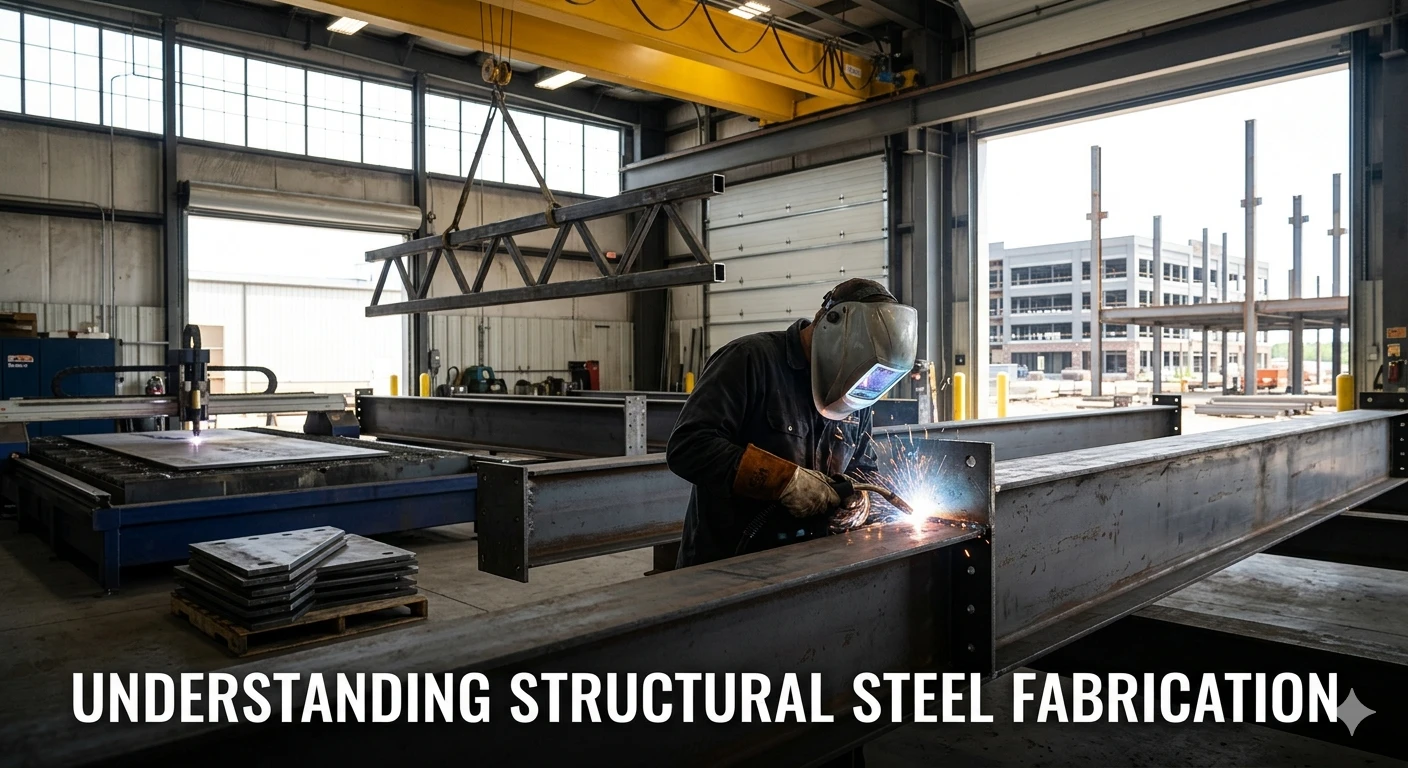
Steel fabrication is an intricate process that involves several key stages, each playing a vital role in ensuring the structural integrity and quality of the final product. The journey begins with detailing, where precise specifications and designs are created using advanced software such as Computer-Aided Design (CAD). This stage is critical, as accurate details lay the groundwork for successful fabrication.
Following detailing, the next stage is cutting the steel according to the specifications. Various cutting methods are employed, including plasma cutting, laser cutting, and oxy-fuel cutting. Each technique offers different advantages depending on the thickness and type of steel, allowing fabricators to achieve clean edges and precise dimensions vital for assembly.
After the steel has been cut, the shaping process occurs. This can involve processes such as bending, forming, or machining to ensure the steel components meet the required configurations for their intended purpose. Equipment used in this stage includes press brakes, rolls, and machining centers that allow for the manipulation of steel to achieve exact shapes.
The subsequent step centers around welding, a crucial process that joins the individual parts together. Different welding techniques, such as MIG (Metal Inert Gas), TIG (Tungsten Inert Gas), and arc welding, may be utilized depending on the materials and joining requirements. High-quality welding is essential, as it directly impacts the strength and durability of the structure.
Lastly, the components are assembled, forming larger sections that will be transported to the construction site. This assembly stage often includes quality assurance measures to ensure that all joints and welds meet industry standards. Rigorous inspections and testing are conducted throughout the fabrication process to verify that the steel conforms to the necessary regulations, thus guaranteeing the integrity and safety of the building’s structure.
Applications of Structural Steel in Commercial Buildings
Structural steel plays a critical role in the construction of various commercial buildings, owing to its strength, flexibility, and adaptability. One of the most common applications is in office buildings, where structural steel serves as the backbone of high-rise construction. Steel columns and beams provide the necessary support to create open floor plans and maximize usable space. This allows for greater versatility in office layout, accommodating different tenant configurations while ensuring safety and durability.
Another significant application of structural steel is in warehouses. These facilities typically require large, unobstructed areas for storage and logistics operations. Using structural steel enables wide spans without the need for intermediate load-bearing walls, enhancing the functionality and accessibility of the space. The lightweight nature of steel allows for quicker assembly and reduced construction timelines, which is particularly advantageous for projects where time is a critical factor.
In industrial facilities, structural steel is utilized for both the building frame and specialty components such as mezzanines, platforms, and loading docks. These structures must often meet stringent regulations and safety codes, and steel proves invaluable due to its resilience under various operational stresses. Moreover, steel is inherently fire-resistant and can be treated for corrosion resistance, making it suitable for environments exposed to certain chemicals or heavy machinery.
Architecturally, structural steel allows for innovative building designs. The material can be shaped and finished to complement aesthetic preferences while maintaining structural integrity. With contemporary architectural trends leaning towards modernism, the exposed steel framework has become a hallmark of design, showcasing industrial aesthetics while still balancing functionality and form. The inherent versatility of structural steel supports various architectural expressions, from classic styles to cutting-edge designs, thereby promoting creativity in commercial construction projects.
The Future of Structural Steel Fabrication
The landscape of structural steel fabrication is evolving rapidly, driven by advancements in technology and a growing emphasis on sustainability. As commercial buildings increasingly require innovative designs and efficient construction methods, automation plays a pivotal role in the future of this sector. One of the significant trends is the integration of automated machinery and robotics into the fabrication process. These technologies help streamline production, reduce labor costs, and enhance precision, thereby increasing the overall quality of fabricated steel components.
In addition to automation, advanced software solutions are transforming how engineers and architects design structures. Building Information Modeling (BIM) has become a crucial tool, allowing for more accurate planning and visualization of projects. This technology enables collaboration between various stakeholders, ensuring that all aspects of structural steel fabrication are harmonized from concept to completion. Consequently, the construction process becomes more efficient, minimizing waste and reducing project timelines.
Sustainability is another dominant concern shaping the future of structural steel fabrication. As the construction industry strives to minimize its environmental impact, the emphasis on using recycled steel has never been more pronounced. Recycled steel not only conserves natural resources but also reduces greenhouse gas emissions associated with steel production. Many companies are now focusing on practices that prioritize sustainability, such as sourcing materials from recycled sources and implementing energy-efficient processes in their fabrication shops.
The integration of sustainability practices into structural steel fabrication is not merely a trend but a necessary evolution driven by environmental regulations and market demand. As industry stakeholders recognize the importance of reducing their carbon footprint, the emphasis on recycled steel and sustainable fabrication methods is likely to grow, paving the way for greener construction practices in the future.