Signs Your Metal Structure Needs Welding Repair

Understanding the Importance of Regular Inspections
Regular inspections of metal structures are crucial for maintaining structural integrity and safety. These inspections serve as a proactive approach to identify potential issues before they escalate into significant problems. The process involves a thorough examination of various components, including welds, joints, and support systems. By catching minor wear and tear early, property owners can address concerns promptly, thus ensuring the longevity of the structure.
During routine inspections, qualified professionals can assess the overall condition of the metal framework and pinpoint areas that may require immediate attention. This attention to detail is essential, as undetected issues can lead to safety hazards such as collapses or malfunctions. Furthermore, regular inspections help avoid costly repairs that often arise from neglected maintenance. A small fissure or fatigue in the metal can develop into a costly structural failure if not treated in time.
In addition to enhancing safety and reducing costs, consistent inspections can also provide compliance with local regulations and standards pertaining to building safety. Property owners may be required to maintain certain inspection schedules to adhere to zoning laws, ensuring that their structures meet established safety benchmarks. Failing to adhere to these standards could result in fines or legal issues.
Ultimately, scheduling routine inspections with qualified professionals is an investment in the long-term health of your metal structure. Such diligence not only safeguards the environment but also protects its occupants. A consistent maintenance schedule creates peace of mind, knowing that potential repairs and hazards are addressed actively, allowing for uninterrupted use and operation of the structure.
Visible Signs of Wear and Damage
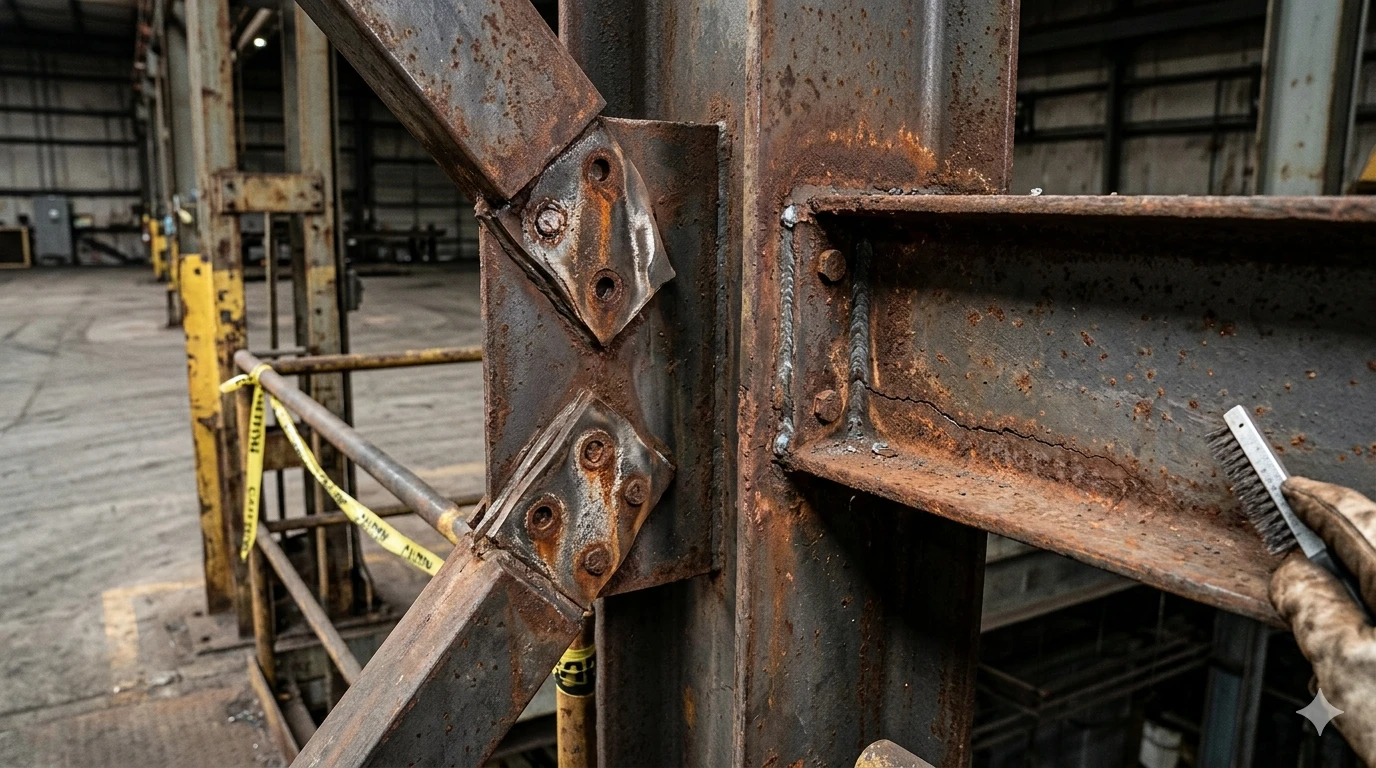
Identifying the visible signs of wear and damage in metal structures is crucial for maintenance and safety. One of the most common indicators that welding repair may be necessary is the presence of rust. Rust not only compromises the integrity of metal but can also indicate prolonged exposure to moisture, which exacerbates the deterioration process. Inspecting the structure regularly for any signs of rust and assessing its extent can help in timely interventions before significant damage occurs.
Another telltale sign of potential problems is the appearance of cracks. Cracks can develop due to various reasons, including fatigue from continuous stress, thermal expansion, or improper installation. When inspecting a metal structure, paying particular attention to weld seams and joints is essential, as these areas are often the first to show signs of weakness. Cracks can vary in size and may lead to complete failure if not addressed promptly.
Additionally, unusual bends or warping in metal components can signal impending structural issues. This distortion often results from excessive loads or thermal effects. Bending affects the load distribution across the structure, potentially leading to catastrophic failures if the integrity is not restored through appropriate welding repair.
Loose connections also warrant close scrutiny. Bolts, screws, or welds that have come loose can weaken the overall structure. Regular checks on these connections are vital, particularly in environments subjected to vibrations or dynamic loads. When inspecting for loose components, it is crucial to assess both their condition and the surrounding area to determine if further repairs are necessary.
By carefully assessing these visible signs of wear and damage, one can gauge the need for welding repairs, ensuring the metal structure remains safe and functional over its lifespan.
Performance Issues That Indicate Structural Failure
Identifying performance issues in metal structures can serve as a crucial early warning system for potential structural failures. One of the primary signs that a welded structure may require immediate attention is the presence of noticeable shifting or leaning. This misalignment can indicate that underlying welds are weakening or have already failed, compromising the stability of the entire structure.
In addition to misalignment, operators may experience difficulty when attempting to operate mechanical components that rely on welded connections. When movable parts, such as doors or gates, struggle to open or close smoothly, this can be a clear indicator that the welds securing these components are not functioning as intended. Often, the joints that are designed to allow movement can become compromised due to stress, leading to increased resistance when engaging these mechanisms.
Another significant symptom to watch for are unusual noises emanating from the structure during operation. Sounds such as creaking, grinding, or rattling can suggest that welds are overstressed or that components are no longer properly aligned due to weld failure. These noises act as alerts, indicating potential issues arising from inadequate welding techniques or fatigue at the seam.
Ultimately, recognizing these performance issues early on can lead to proactive measures in addressing any welding repair needs. Ignoring symptoms like shifting, operational difficulties, and noise may exacerbate existing problems, ultimately leading to costly repairs or even catastrophic structural failures. Thus, maintaining vigilance can promote the longevity and operational integrity of metal structures.
When to Call a Professional Welder
When dealing with metal structures, the decision to engage a professional welder should not be taken lightly. Indications of when to seek expert assistance can stem from various factors, including the extent of the damage and potential risks associated with repairs. Metal structures, whether used in construction, automotive, or other applications, demand that any wear or damage is addressed swiftly and safely to avoid further complications.
One clear sign that professional intervention is necessary is the severity of the damage. If you notice cracks, large dents, or signs of corrosion that compromise the integrity of the structure, it may be time to call an expert. Minor dents may be manageable through DIY attempts, but significant damage often requires specialized knowledge and experience that only a trained welder can provide. Professional welders are adept at assessing structural components, ensuring that all safety factors are considered.
Furthermore, safety risks associated with inadequate repairs cannot be overstated. The structural failure of a metal framework can lead to catastrophic results, particularly when it is load-bearing. If there are any indications that the structure poses a danger to people or property, it is crucial to contact a professional immediately. Attempting to conduct repairs without the proper skills can exacerbate the safety issues, possibly resulting in injury or extensive property damage.
Lastly, DIY repairs may seem cost-effective initially, but they often lack the durability that professional welding provides. A professional welder has the tools and expertise to ensure that repairs are not only satisfactory but also lasting. Regular professional assessments can help in identifying potential issues before they escalate, contributing to the longevity of your metal structure. In conclusion, recognizing the signs of damage and understanding the implications are vital for maintaining structural integrity, ultimately making professional assessment and repair indispensable for ensuring safety and durability.