
Understanding Custom Metal Fabrication: What It Is and When You Need It

What is Custom Metal Fabrication?
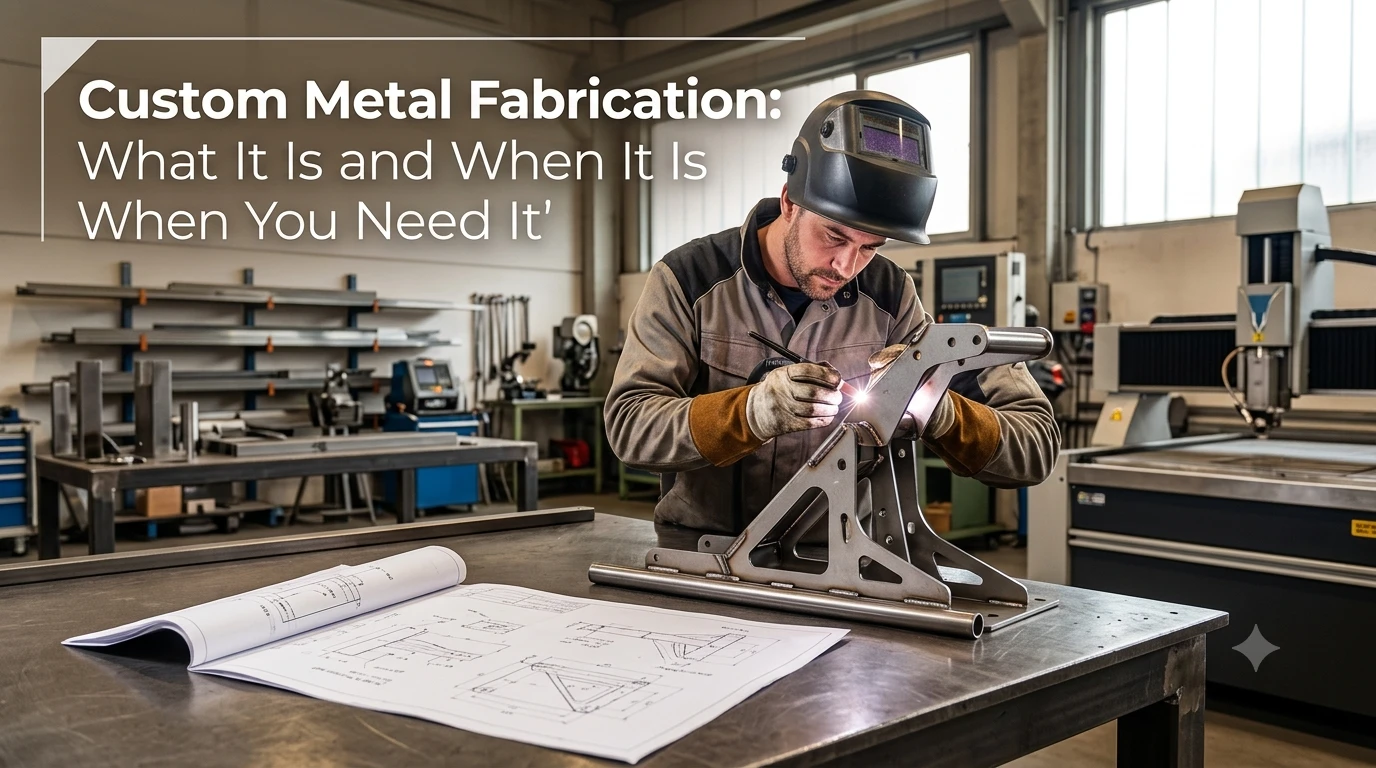
Custom metal fabrication refers to the process of creating metal structures and components tailored to specific requirements and designs. This multifaceted process encompasses a range of operations including cutting, bending, welding, and assembling various metal materials to achieve the desired outcome. Each of these steps is critical in transforming raw metal into custom-made products that meet industry specifications and client needs.
The initial phase in custom metal fabrication is cutting, where sheets or bars of metal are shaped to the necessary dimensions using tools like lasers, plasma cutters, or shears. Next, bending is employed to achieve necessary angles and curves, often performed through press brakes that apply force to reshape the metal accurately. Welding follows, which is the process of joining two metal pieces together using various techniques such as MIG (Metal Inert Gas) or TIG (Tungsten Inert Gas) welding. This step is crucial for ensuring the structural integrity of the final product.
During the assembly phase, these fabricated pieces are meticulously combined into a complete structure, whether it be a small part or a large framework. Common materials utilized in this process include stainless steel, known for its corrosion resistance, aluminum, which is lightweight and easy to work with, and carbon steel, valued for its strength and durability. Each material is selected based on the specific application and performance requirements of the custom fabrication project.
Precision is of utmost importance in custom metal fabrication. Ensuring accurate measurements and fine craftsmanship allows for the production of components that fit seamlessly into larger systems or assemblies. The ability to customize designs enables manufacturers to address a broad spectrum of industry needs, whether it’s for construction, aerospace, automotive, or artistic projects. Thus, understanding this intricate process equips clients with the knowledge to effectively engage in custom metal fabrication when the need arises.
Applications of Custom Metal Fabrication
Custom metal fabrication is an integral process utilized across a variety of industries, each benefiting from its ability to meet specific project requirements. One of the most prominent sectors is construction, where custom metal components such as structural frames, beams, and reinforcements are essential for ensuring the stability and longevity of buildings. For instance, structural steel frames can be fabricated to exact specifications, providing the necessary support for high-rise buildings and bridges.
The automotive industry also heavily relies on custom metal fabrication to create parts and components that enhance vehicle performance and safety. Custom-designed chassis, exhaust systems, and suspension parts are just a few examples of how precise fabrication can improve both the functionality and aesthetics of automobiles. This process allows manufacturers to tailor components to fit various vehicle models while adhering to safety regulations and performance standards.
In the aerospace sector, the demand for lightweight yet durable materials is crucial. Custom metal fabrication enables the production of intricate parts such as engine components, landing gear, and structural frames that must withstand significant stressors. For instance, aerospace manufacturers often utilize titanium and aluminum alloys in custom parts, optimizing the balance between weight and strength to enhance fuel efficiency and performance.
Moreover, the manufacturing industry utilizes custom metal fabrication for creating tools and equipment that are tailored to specific production processes. This includes custom jigs and fixtures that enhance workflow efficiency and precision in manufacturing settings. By leveraging advanced fabrication techniques, companies can achieve high levels of customization, ensuring tools meet the exact specifications required for various manufacturing tasks.
In summary, the applications of custom metal fabrication span multiple industries, demonstrating its versatility and essential role in producing components that meet unique specifications and enhance functionality across diverse projects.
When Do You Need Custom Metal Fabrication?
Understanding the specific circumstances under which custom metal fabrication is necessary is crucial for any project that demands precision and adherence to individual specifications. Custom metal fabrication becomes essential particularly when standard manufacturing methods cannot meet the particular requirements of a project. This may include instances where unique parts or components are needed, and existing solutions do not fulfill the design expectations or specifications.
Moreover, budget considerations often play a significant role in the decision to opt for custom fabrication solutions. If a project requires specialized components that can’t be mass-produced, this could lead to higher costs in the long run, especially if using off-the-shelf parts that do not integrate seamlessly. Therefore, it is vital to evaluate both the short-term and long-term financial impacts when determining the necessity for custom fabrication.
The scale of the project also influences the need for bespoke solutions. Larger projects may have more complex requirements that necessitate tailor-made components. Conversely, smaller-scale projects might still benefit from custom solutions if they involve intricate designs or specific material finishes that are not available in pre-fabricated options. Timelines are another critical factor; for projects requiring expedited completion, the efficiency of custom metal fabrication can provide a strategic advantage over traditional manufacturing methods.
Ultimately, the decision to pursue custom metal fabrication hinges on an in-depth understanding of project requirements, including functionality, budgetary constraints, scale, and timelines. A thorough analysis of these elements can guide stakeholders toward the most appropriate fabrication strategy that ensures project success.
Choosing the Right Custom Metal Fabrication Service
When it comes to selecting a reliable custom metal fabrication service, several crucial factors must be taken into account to ensure that you receive high-quality products tailored to your specific needs. One of the first steps is to assess the fabricator’s experience. A company with a proven track record in the industry generally possesses the knowledge and skills required to handle complex projects and overcome potential challenges.
Certification is another important aspect that should not be overlooked. Many reputable fabricators will hold industry certifications that demonstrate their adherence to safety and quality standards. These certifications serve as a testament to their capability and commitment to excellence, thereby providing you with peace of mind regarding the quality of their work.
Understanding the fabricator’s capabilities in terms of technology and equipment is equally vital. This includes evaluating the types of machinery and software they utilize in the fabrication process. Advanced technologies can enable more precise cuts, better welds, and overall enhanced production efficiency. A service equipped with modern tools is likely to deliver superior results compared to those relying on outdated methods.
Client reviews and testimonials are valuable resources when making your decision. They provide insights into the experiences of previous customers and can highlight critical areas such as reliability, timeline adherence, and product quality. A fabricator with consistently positive feedback is likely to be a good candidate for your project.
Lastly, effective communication and collaboration are essential components in any successful partnership with a custom metal fabrication service. Engaging with your fabricator throughout the project can help clarify expectations and ensure alignment with your vision. Establishing an open channel of communication can lead to more satisfactory outcomes and foster a long-term business relationship.